Event Objectives
The Culture, Creativity and Inclusive Society Matchmaking Event, organised by Crowdhelix and SOAS University of London, was designed to support Horizon Europe Cluster 2 collaboration by bringing together universities, research organisations, education providers, SMEs, NGOs, policy-oriented stakeholders and innovation actors interested in building strong consortia for the 2026 calls. The event focused on networking, exchange of project ideas, identification of complementary expertise and the creation of new partnerships around democracy, education, culture, inclusion, green transition, digital transformation and societal change.
This context was highly relevant to SPM², as the project focuses on advancing sustainable project management through the PM² methodology and supporting the development of practical sustainability-oriented competences for students, educators, professionals and organisations. The event was especially connected to discussions around green transition competences, future skills, professional development, sustainability, education innovation and capacity building, which align closely with the project’s emphasis on the SPM² Guide, digital resource hub, curriculum, professional profile, micro-credential framework and certification pathways.
European Academy’s participation aimed to strengthen the visibility of SPM², present the project’s contribution to sustainable project management education, connect with stakeholders working on sustainability, training, project management, green skills and professional competence development, and explore opportunities for future dissemination, stakeholder engagement and collaboration.
Event Description
The Culture, Creativity and Inclusive Society Matchmaking Event was a two-day Horizon Europe networking and consortium-building event focused on the 2026 Pillar II Cluster 2 calls. Its format combined expert-led sessions, proposal-focused discussions, elevator pitches, thematic exchanges and targeted networking opportunities, enabling participants to present ideas, identify complementary expertise and explore future collaboration pathways.
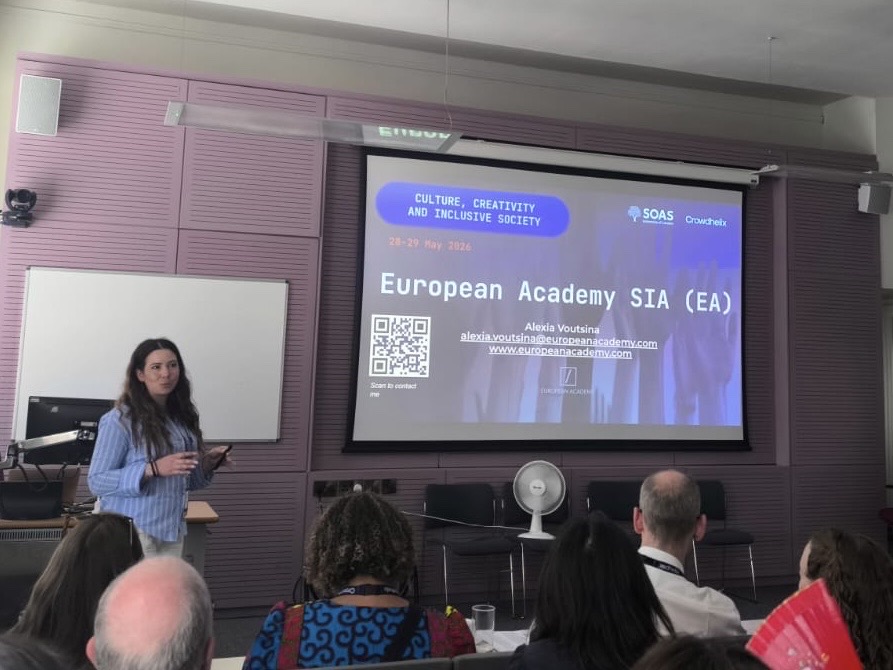
Within this setting, European Academy presented SPM² as part of its wider project portfolio, highlighting the project’s focus on helping education providers, professionals and organisations integrate sustainability principles into structured project management practice. The project was introduced in connection with wider event themes such as green transition competences, lifelong learning, professional upskilling, digital learning, sustainable innovation and the role of practical methodologies in supporting societal transformation.
Discussions around SPM² focused on the need to equip project managers and future professionals with practical tools for embedding sustainability into project planning, implementation, monitoring and impact-oriented decision-making. Particular attention was given to the project’s SPM² Guide, digital resource hub, standardised curriculum, professional profile, modular micro-credential framework and the endorsement and certification of the SPM² methodology.
The event also provided an opportunity to exchange perspectives with organisations working in sustainability education, project management, digital learning, green innovation, skills recognition, stakeholder engagement and professional training. These interactions confirmed the relevance of SPM² and underlined the importance of cross-sector cooperation in making sustainable project management more accessible, structured and widely recognised.
Overall, the event contributed to the visibility of SPM² by positioning it within current European conversations on green transition competences, sustainability in professional practice and the future of project management education. It also supported the identification of potential stakeholders and multipliers who may contribute to future dissemination, exploitation and collaboration activities.
Participant Profile
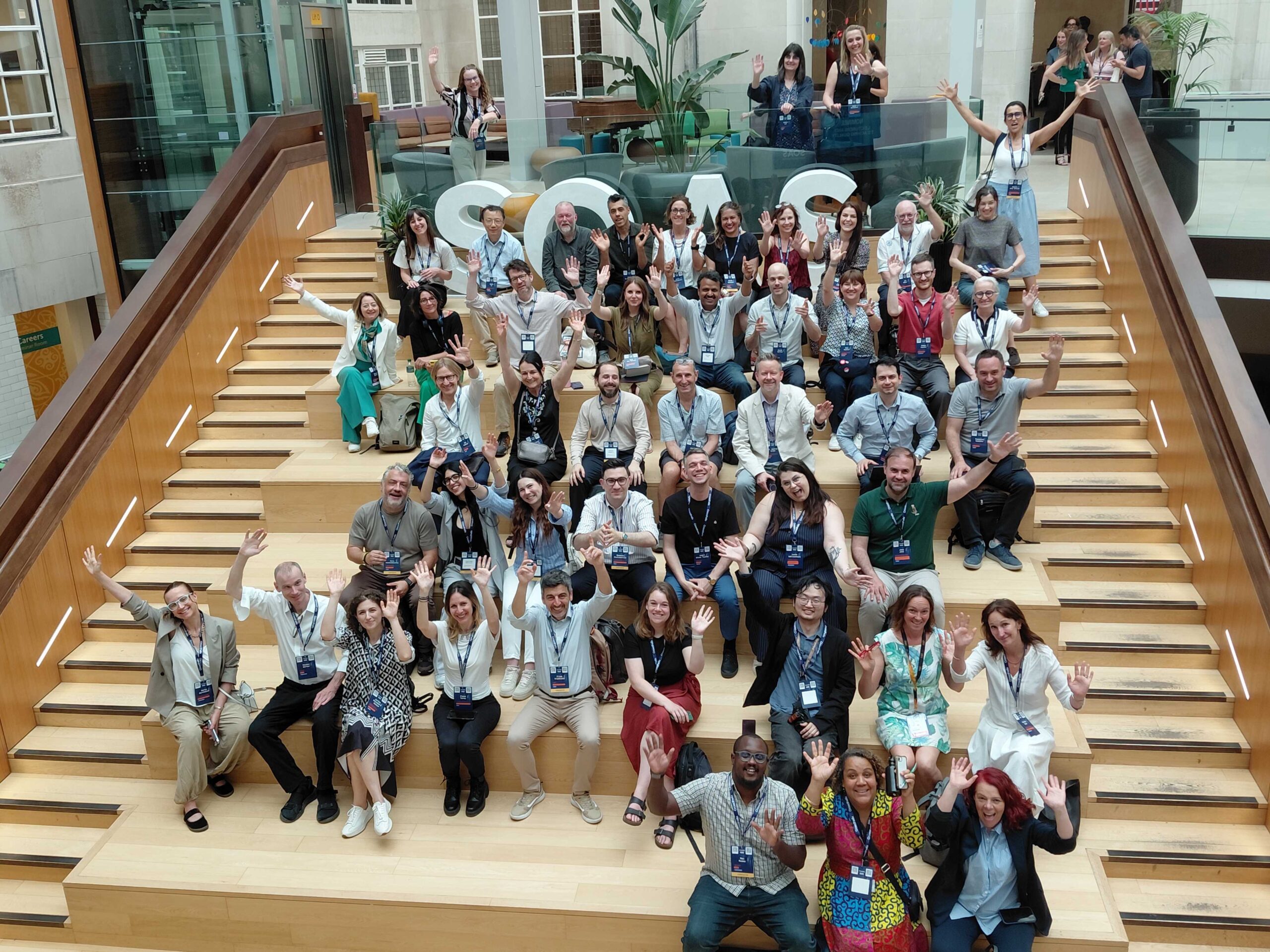
Participants represented a diverse mix of academic, research, policy, business and civil society backgrounds. The participant list included representatives from higher education institutions, research centres, innovation consultancies, NGOs, SMEs, creative-sector organisations, project management experts, training providers and public policy actors from across Europe and beyond.
For SPM², the most relevant participants were those active in sustainability, green transition, project management, professional education, micro-credentials, digital learning, stakeholder engagement and capacity building. Several attendees brought expertise in sustainable development, circular economy, digital transformation, innovation management, education reform, training design and European project implementation.
The diversity of professional profiles supported the project’s interdisciplinary orientation, particularly its focus on connecting higher education institutions, VET providers, project management experts, professional bodies, certification actors and organisations interested in applying sustainability principles through structured project management methodologies.
Feedback and Observations
No formal participant survey was collected by European Academy during the event. Feedback was gathered informally through networking conversations and exchange sessions.
Overall, the response to SPM² was positive. Participants recognised the growing importance of sustainability in project management and the need for practical methodologies that help professionals translate sustainability principles into day-to-day project decisions. Interest was also shown in the project’s applied orientation, including the SPM² Guide, digital resource hub, curriculum, professional profile and micro-credential framework.
The main observation was that many organisations understand the importance of sustainability, but still lack structured tools and recognised competence pathways for embedding it into project management practice. SPM² was therefore well positioned as a concrete initiative that combines methodology, training, digital resources and certification-oriented competence development.
A key challenge was the limited time available for in-depth project-specific discussions during the main event sessions. Follow-up communication with selected organisations will be important to turn initial interest into concrete dissemination, validation or collaboration opportunities.
Dissemination and Visibility
European Academy promoted its participation in the Culture, Creativity and Inclusive Society Matchmaking Event through dedicated communication activities aimed at increasing the visibility of SPM² and its connection to European-level discussions on sustainability, green skills, professional competences and the future of project management education.
Following the event, European Academy published a news item on its website highlighting its participation in the Crowdhelix matchmaking event, the presentation of its project ideas and the opportunity to showcase its wider project portfolio, including SPM². The news item positioned the project within the broader context of Horizon Europe collaboration, sustainable project management, professional upskilling, education innovation and future skills development.
European Academy also published a LinkedIn social media post about its participation in the event, tagging the SPM² project to strengthen online visibility, support stakeholder engagement and connect the project with relevant audiences across education, research, sustainability, project management, innovation and EU project networks.
These dissemination actions contributed to raising awareness of SPM², increasing the visibility of European Academy’s role in the project, and supporting future collaboration and exploitation opportunities with organisations interested in sustainable project management, green transition competences, digital learning and professional skills development.